
Chinese Actors Turn to Concerts as Film and TV Work Declines
More than 15 non-singer entertainers in China have held or are preparing concerts, as filming opportunities and actors’ fees fall. Concert ticket revenue has grown, while critics question whether some performers rely too heavily on their fan bases.
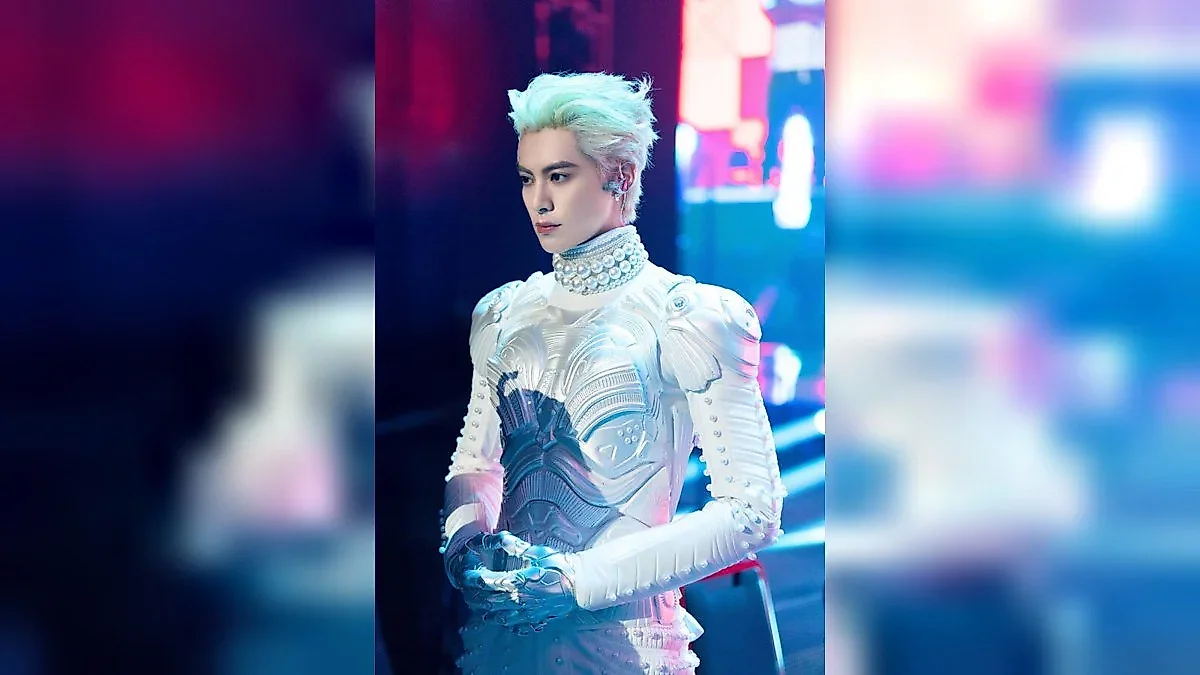
Chinese actors are increasingly taking to concert stages as filming work declines and performance fees fall. Zhao Lusi, Bai Lu, Wang Hedi, Ding Yuxi, Luo Yunxi and Yu Shuxin have held concerts or announced plans to do so, with Xie Na and Yue Yunpeng also joining them. These are full concerts centered on songs and stage performances in venues holding thousands or tens of thousands, rather than a few songs at a fan meeting or a performance of a show’s soundtrack.
According to local media reports, more than 15 non-singer entertainers in China have held or are preparing concerts this year. They are drawing on fan bases built through acting, even when they do not have the extensive discographies of professional singers.
Fan bases fill venues with tens of thousands of seats
Bai Lu held a 10th-anniversary music concert in Suzhou in June, and tickets sold out shortly after sales began. Zhao Lusi’s show in Bangkok, Thailand, sold all 12,000 seats in 38 seconds. Wang Hedi’s Macau concert also sold out its 32,000 seats in three minutes.
Hubei Daily reported that more than 15 non-singer entertainers have held or are preparing concerts this year. In addition to Zhao Lusi, Bai Lu and Wang Hedi, Ding Yuxi, Luo Yunxi and Yu Shuxin have held shows or announced plans. Bai Lu’s music concert and the performances by Zhao Lusi and Wang Hedi all sold out shortly after tickets went on sale.
Filming starts fall and acting fees decline
The move into live performance comes amid a downturn in China’s film and television industry. In Hengdian, a major filming hub for Chinese movies and dramas, the number of live-action short-drama productions beginning filming in the first quarter of this year fell 75% from the same period a year earlier. The vacancy rate at filming locations was reported to be approaching 80%.
Reports on local industry conditions have also said that fees for top actors fell by about 40%, while pay for mid-level actors dropped by roughly half. With fewer productions and longer waits between jobs, actors’ incomes have also declined.
The spread of AI-generated content is another factor cited in production settings. As short dramas using AI-created characters and scenes increase, concerns are growing that actors and crew members will lose work, particularly on small and medium-sized productions that would otherwise require actors and large filming teams.
Movies and dramas take a long time to move from planning through filming to release, while ticket sales for concerts can indicate demand and revenue. Local analysis has also pointed to the comparatively short preparation period and the ability to sell tickets in advance and secure revenue as reasons actors are turning to live shows. As reports describe fewer filming opportunities and lower acting fees, concerts are becoming a separate avenue of work.
Concert market expands as ticket revenue rises
China’s concert ticket revenue rose from 4.259 billion yuan in 2019 to 29.558 billion yuan last year, about sevenfold. Revenue from large-concert tickets reached 4.107 billion yuan in the first quarter of this year, up 74.2% from a year earlier. The source gives won equivalents of about 859.9 billion won for 2019, 5.968 trillion won for last year and 829.2 billion won for large concerts in the first quarter of this year.
| Category | Ticket revenue | Year-on-year change |
|---|---|---|
| Concerts in 2019 | 4.259 billion yuan | - |
| Concerts last year | 29.558 billion yuan | - |
| Large concerts in the first quarter of this year | 4.107 billion yuan | 74.2% |
Popular-culture critic Im Hee-yoon said actors combining their careers with singing is not new. He said that when Chinese-language stars were highly popular in the 1980s and 1990s, actors also released albums, worked as singers and held concerts across Asia. The practice then, too, included expanding career activity and revenue sources on the basis of stardom built through acting. Im also pointed to declines in revenue and profits from movies and long-form dramas, alongside a sharp rise in short-form viewing in Chinese-speaking regions.
Stage technology used amid questions about singing ability
Some in China have criticized actors’ move into concerts, questioning whether entertainers without signature songs or professional-level singing ability are charging high ticket prices by relying on their fan bases. Im said that musicianship and vocal ability used to matter much more at concerts, but advances in stage production and the availability of technologies such as augmented reality and live autotune have lowered the barriers for non-singers seeking to perform.
Im said the expansion of the short-form market could pose a challenge to stars who built their recognition through movies and long-form dramas. He added that differences between the formats and other constraints make it difficult for them to move directly into short-form acting. Concerts let them draw on existing fan bases, while albums and merchandise offer additional revenue sources.
Im also cited events that combine fan meetings and concerts, held by YouTubers and virtual creators who built online followings. He said that the more people consume content on small screens, the greater their desire for offline events where they can gather, enjoy an experience together and feel a sense of solidarity.
Local reports have said that more than 15 non-singer entertainers in China have held or are preparing concerts. Im said the importance of offline events that draw on fan bases is likely to continue. With reports of declining filming activity and rising concert revenue appearing side by side, actors are continuing to build careers around songs and stage performances.
Covers K-pop for KSW Journal, and also writes about Culture and K-Variety.


Comments 0
Comments are currently disabled.