
AI-sung track “Did You Become the Adult You Dreamed Of?” reaches No. 3 on Melon TOP100
The track by music creator Meomureu rose from No. 18 to No. 3 on Melon TOP100 between the 2nd and the 13th, and its music video has surpassed 10 million views. Listener responses have included both comfort and resistance to AI music, while questions remain about creator contributions, copyright and revenue sharing.
A song sung by AI has reached the upper ranks of South Korea’s music charts. “Did You Become the Adult You Dreamed Of?” by music creator Meomureu climbed to No. 3 on Melon TOP100 on the 13th, up 15 places from No. 18 on the 2nd. The rock ballad reflects the weight of reality after becoming an adult, and its vocals were generated with the generative music tool Suno. Meomureu handled the planning, lyrics and production.
The song’s rise came on a chart where popular idol groups and singers compete. As of the 13th, it was described as an AI-generated voice entering the top five of a domestic music chart. A compelling male vocal performs the song, but it is not a recording by a human singer. In a cited report, Meomureu said the work they did was limited to planning the song and writing its lyrics. The music video has surpassed 10 million views.
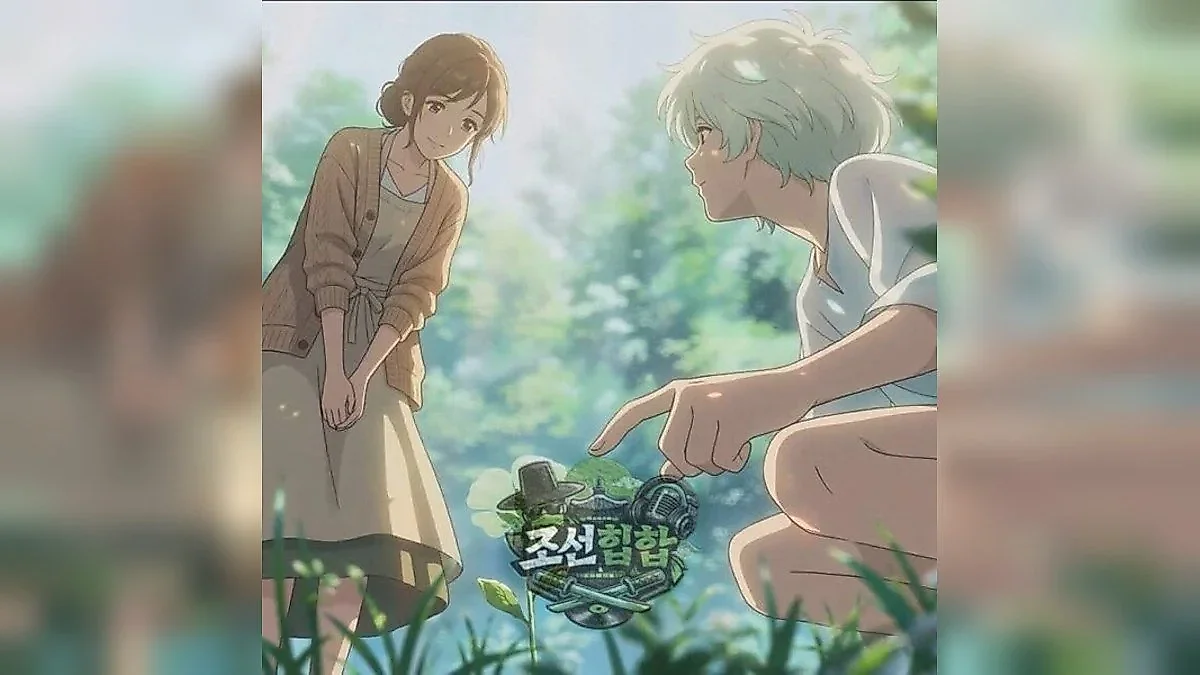
Meomureu’s approach goes beyond using AI to assist with composition or arrangement: AI generated the voice heard on the track. Another generative-AI song, “Forest of the Heart” by music creator Joseon Hip-hop, also entered Melon TOP100, reaching a peak of No. 89.
| Track | Peak on Melon TOP100 |
|---|---|
| Did You Become the Adult You Dreamed Of? | No. 3 |
| Forest of the Heart | No. 89 |
The two tracks take a different approach from music tailored to social media challenges and short-form videos. Rather than relying on forceful hooks or repetitive choreography, they foreground mood, lyrics and emotions that connect with listeners’ experiences. “Did You Become the Adult You Dreamed Of?” sings about feeling the weight of reality as an adult, while “Forest of the Heart” also emphasizes emotional lyrics and atmosphere. Their familiar ballad-like elements have also been cited as a feature.
K-pop has grown around idol acts, with challenges, virality and music that catches the public’s attention quickly becoming increasingly important. The source also raises the view that, although many genres coexist, listeners outside fandoms may feel there is a relative shortage of music they can readily enjoy and relate to emotionally.
Pop culture critic Sim Jae-geol said the performance of AI music is difficult to explain as mere technological curiosity. “We have moved beyond curiosity; so much AI music is pouring out that it can become exhausting,” he said. “Some of it, though, achieves meaningful results on the strength of its high level of completion.” He added that public response depends more on the music itself than on whether it was made by a person or AI: how much listeners want to hear it again, and how well the melody, lyrics and fitting voice work together. He said the song had tapped into gaps in the current mainstream music market and emotional demand.
Comments show both comfort and resistance
On YouTube, listeners shared personal stories in response to the song. Some described struggling with the burdens of adult life, going through difficult periods of illness, or watching an unwell family member. The comments became a space for exchanging stories and offering comfort, as well as discussing the song. The source reported that the YouTube comments on both tracks drew thousands of responses.
At the same time, comments on Melon and social media included discomfort with AI music remaining on the charts and calls for a separate AI music chart. Some questioned whether music made by AI should compete on the same terms as music created through people’s time and labor. Others expressed resistance to AI-made songs touching human emotions and achieving high rankings. A meme also spread along the lines of, “If I walked into a cafe and AI music was playing, I’d leave again.” Views diverged between those who said good music can be heard regardless of who made it and those who said music should carry human experience and creative labor.
Sim said opposition to AI music reflects both concern that it threatens human creators’ jobs and fatigue over declining creative quality. “AI has a contradictory side: it threatens human jobs while also increasing people’s workload. It is already widely used as an assisting tool even in professional creative fields,” he said. “Its enormous productivity can prompt resistance to declining quality and quantitative saturation, while also helping produce high-level results.” He added: “Works that fail to move people will naturally fall away. AI has already entered deep into creative fields, to the point that the debate over who made something will become meaningless.”
Contributions at each stage and copyright remain unresolved
As AI music gains traction on actual charts, the scope of copyright recognition and how revenue should be divided have emerged as issues to address. People who use AI to produce music earn revenue through neighboring rights, which recognize them as sound recording producers, but copyright for the music generated by AI itself remains difficult to secure. The fact that people and AI perform different tasks during production also makes it difficult to assess an entire work against a single standard.
Experts say rights should not be granted or denied wholesale based only on whether AI was used. They argue that contributions at each stage should be distinguished and assessed, including lyrics written by a person, a melody generated by AI, and arrangement and post-production shaped by human work. Meomureu’s track combines planning, lyrics and production with AI-generated vocals. Joseon Hip-hop wrote the lyrics directly and used Suno to make “Forest of the Heart.” As AI tracks continue to enter the charts, questions remain about how to distinguish each contribution and divide rights and revenue.
Meomureu’s track reached No. 3 on Melon TOP100 on the 13th, and its music video has surpassed 10 million views. Joseon Hip-hop’s “Forest of the Heart” also entered the Melon chart. Listener responses have ranged from comfort to resistance, while questions about production contributions, copyright recognition and revenue sharing remain.
Covers K-pop for KSW Journal, and also writes about Culture and K-Variety.


Comments 0
Comments are currently disabled.