
Dim and Dry Eyes, Is It Aging or a Disease? EBS ‘The Great Doctor’ Explains
EBS 'The Great Doctor' will broadcast an episode on October 16th exploring various eye conditions such as conjunctival relaxation, conjunctival edema, cataracts, and presbyopia eye drops. Accompanied by ophthalmologist Professor Choi Cheol-yeong, the program aims to distinguish between natural aging and treatable eye diseases.
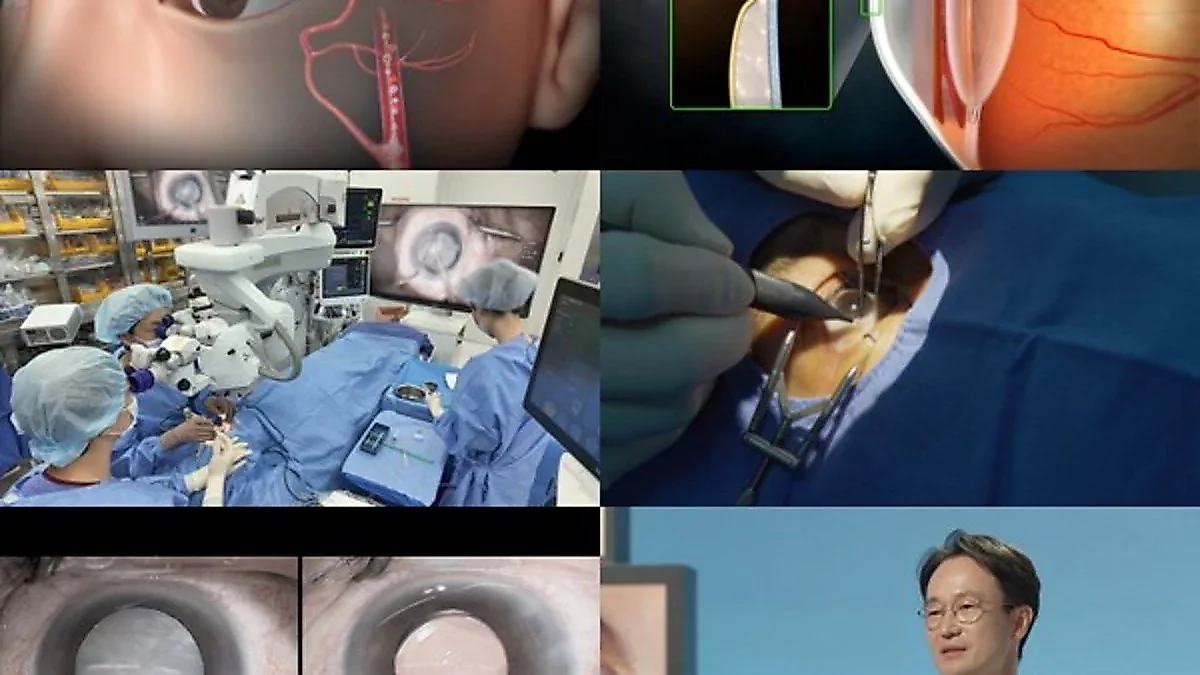
As people age, they may experience blurred vision, dry eyes, or tearing without any particular reason. While it is easy to consider this natural aging, tearing and a foreign body sensation may hide eye diseases that require treatment. EBS ‘The Great Doctor’ will broadcast the episode ‘Suddenly Dim Eyes, What is Happening to My Eyes?’ on October 16th at 9:55 PM on EBS1. Along with ophthalmologist Professor Choi Cheol-yeong, the program will examine conjunctival relaxation, conjunctival edema, cataracts, and presbyopia eye drops, covering the causes and treatments for eye diseases in old age.
The broadcast introduces warning signs of eye abnormalities, ranging from diseases where wrinkles form or blisters-like swelling occurs in the conjunctiva covering the white of the eye, to cataracts where the lens becomes cloudy and vision decreases. It also covers the timing of cataract surgery, the selection of intraocular lenses, and the effects and limitations of presbyopia eye drops that help see close-up text more clearly by constricting the pupil about 30 minutes after application. Along with patient cases introduced in the program, it points out problems that can be missed when each symptom is regarded as simple aging.
Wrinkles in the Eye, the Foreign Body Sensation Caused by Conjunctival Relaxation
A woman in her 60s introduced in the broadcast experienced symptoms where tears flowed incessantly and her eyes stung as if sand had entered them. Discomfort continued every time she blinked, and the foreign body sensation and pain were severe. At first, she thought it was eye aging, but the cause confirmed by examination was conjunctival relaxation. It explains that wrinkles, which are easily thought to occur only on the skin, can also occur in the eyes.
The conjunctiva is the tissue that covers the white of the eye. According to EBS, as people age, the conjunctiva loses elasticity and sags, causing wrinkles, and the sagging conjunctiva causes friction every time the eye blinks. This friction causes a foreign body sensation and pain, which can lead to continuous tearing. The broadcast also covers how tearing and stinging can be easily overlooked if thought to be a simple phenomenon of aging, as in the case of the woman.
The program examines how conjunctival relaxation can be detected early and treated in a timely manner. It explains that when there is tearing or dry eye symptoms, wrinkles in the conjunctiva may be the cause, and that the sagging conjunctiva causes friction when blinking. In the broadcast introduction released by EBS, specific treatment methods for conjunctival relaxation or the specific treatments performed on patients were not presented. The broadcast covers the causes and treatments of the disease and conveys the process of identifying the cause rather than regarding eye discomfort as only aging.
Conjunctival Edema, where the White of the Eye Swells After Surgery
Symptoms where the white of the eye swells like a blister are also a topic of this broadcast. EBS introduces this as conjunctival edema and explains it as an unwelcome guest that can appear after eye surgery. While conjunctival relaxation is a disease where the conjunctiva covering the white of the eye sags and wrinkles, conjunctival edema is a state where the white of the eye swells like a blister. Both diseases can appear on the eye surface, but the broadcast introduction treats each symptom and its background of occurrence separately.
Regarding conjunctival edema, the program examines the fact that it can occur after eye surgery, its causes, and its treatments. However, the released broadcast materials do not include the type of surgery, specific patient cases where edema appeared, the timing of occurrence, or the treatment process. EBS stated that it presents wrinkles in the conjunctiva or swelling of the white of the eye as warning signs of eye abnormalities, and will explore the causes and treatments of conjunctival relaxation and conjunctival edema in the broadcast.
In the conjunctival relaxation case introduced in the broadcast, tears and pain are at the center of the discomfort, but in conjunctival edema, the core symptom is the change where the white of the eye swells like a blister. In conjunctival relaxation, the loss of elasticity and sagging conjunctiva causes friction when blinking, and conjunctival edema is treated as a disease that can appear after eye surgery. EBS examines the causes and treatments of these two diseases, as well as situations where eye discomfort in old age is easily thought to be simple aging.
Cataracts: Vision Loss, Surgery Timing, and Lens Selection
Cataracts are a representative geriatric eye disease where vision decreases as the lens inside the eye becomes cloudy. EBS introduces cataract surgery as the most frequently performed surgery in Korea and presents the timing of when to receive surgery and which intraocular lens to select as the main questions of the broadcast. As it is a disease where the lens gradually becomes cloudy, it explains that it is not easy to notice early symptoms, and patients may struggle with the timing of surgery and the intraocular lens to use after surgery.
A 74-year-old man appearing in the broadcast visited the ophthalmologist after his vision worsened to the point where he could not see objects well. His eyes felt dull as if bruised and his vision was blurred, but he only underwent examination after daily life became difficult. The test result was hypermature cataract. The lens inside the eye was severely cloudy, causing a significant drop in vision. EBS reported that due to the nature of cataracts where vision gradually worsens, it is easy to miss early symptoms, and there are patients who visit the hospital late after considering it as aging.
| Case | Content introduced in the broadcast |
|---|---|
| 74-year-old male | Diagnosed with hypermature cataract |
| Woman in her 60s | Diagnosed with conjunctival relaxation |
| 55-year-old male | Use of presbyopia eye drops |
Regarding cataracts, the program covers whether it is better to endure surgery longer, when to have surgery, and which intraocular lens to select. The materials released by EBS do not present the types of intraocular lenses or the specific differences between each lens, and stated that the broadcast will examine the timing of surgery and selection criteria. Through the case of the man diagnosed with hypermature cataract, it also covers symptoms such as blurred vision and inability to see objects well, test results, and the concerns of patients surrounding surgery.
Presbyopia Eye Drops Instead of Reading Glasses... Effects and Limitations
Presbyopia, where close-up text is not easily visible, is also a topic covered in the broadcast. A 55-year-old man, whose daily life was difficult without reading glasses, had to squint all day to read close-up text. This man is introduced as a case of using presbyopia eye drops. EBS explains that they help see close-up text more clearly by constricting the pupil about 30 minutes after application.
The released materials do not include information regarding the ingredients, duration, frequency of use, or side effects of the eye drops. The program examines the effects and limitations of the eye drops based on the case of the man who suffered from presbyopia.
EBS stated that in this broadcast, it will examine the causes and treatments of conjunctival relaxation and conjunctival edema, the timing of cataract surgery and intraocular lens selection, and the effects of presbyopia eye drops. It introduces symptoms such as dim and dry eyes as one ages, tearing, and difficulty seeing close-up text by connecting them to each disease and treatment topic. ‘Suddenly Dim Eyes, What is Happening to My Eyes?’ with ophthalmologist Professor Choi Cheol-yeong will be broadcast on October 16th at 9:55 PM on EBS1.
Covers K-pop for KSW Journal, and also writes about Culture and K-Variety.
Comments 0
Comments are currently disabled.