
EBS World Theme Travel showcases Taiwan's autumn landscapes and flavors
The EBS1 program "World Theme Travel" will broadcast a special series titled "Taiwan in Autumn, a Delicious Discovery," exploring the island's diverse culinary traditions and natural scenery. The series is scheduled to air from Monday, November 23, to Thursday, November 26, 2026.
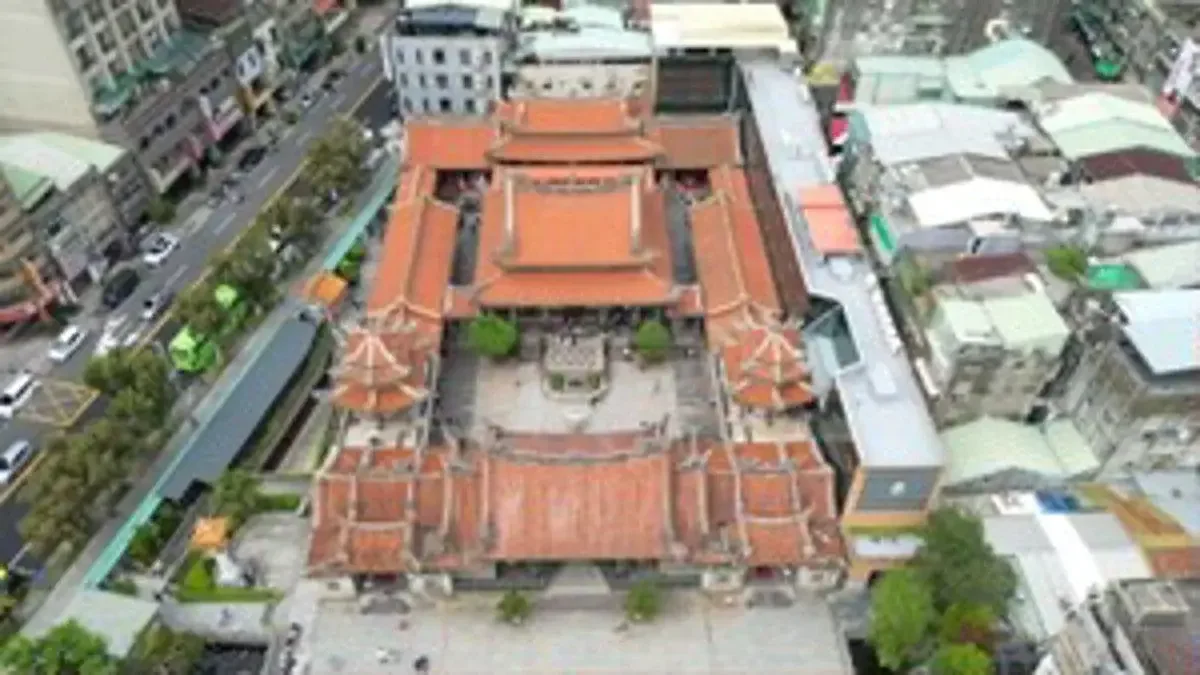
EBS World Theme Travel explores Taiwan's diverse regions, from the 1818 Jingzaijiao Tile-paved Salt Fields to Chenggong Fishing Harbor, where veteran fishermen catch Spanish mackerel weighing up to 200kg.
The journey through Taiwan, a treasure island in the Pacific Ocean, begins at Lungshan Temple, the most famous temple in the capital, Taipei. Established in 1738, the temple houses deities from Buddhism, Taoism, and folk religions. Young people offer prayers to Yue Lao, who is said to facilitate connections, while others crowd around to cast jaobai—half-moon shaped wooden carvings—to seek divine will. Traveling along the eastern coast where the Central Mountain Range meets the Pacific Ocean, the journey reaches Chenggong Fishing Harbor in Taitung. As a golden fishing ground fed by the Kuroshio Current, the autumn harvest of the sea is magnificent. In October, when the northeast monsoon begins to blow, Spanish mackerel is in season, and large fish such as mahi-mahi, tuna, swordfish, and sharks are being caught in abundance. In Chenggong, famous for the traditional method where veteran fishermen throw harpoons to catch Spanish mackerel, the weight of a single catch can reach 200kg. Visitors can also watch intense auctions and taste the flavors of the autumn sea with freshly butchered tuna sashimi on-site.
In Kaohsiung, the Tianliao Moon World features a landscape shaped by rainwater and river flows to resemble the surface of the moon. In this barren land where plants struggle to grow, mud pushed up by natural gas bubbles from the ground, creating mud volcanoes of various sizes throughout the area. Local residents collect this mud from these volcanic sites. In the Hakka village of Xinpu, visitors can eat Hakka rice noodles, known for their flat shape called bantiao, before heading to a dried persimmon farm. The persimmons are dried in the dry autumn wind and sunlight and then smoked in kilns with wood fires, a traditional method that has nearly disappeared in the village. Here, the joy of harvest is shared while tasting dried persimmons produced through a method preserved for four generations.
In the mountain village of Shifen in New Taipei, people release sky lanterns to make wishes. Once a village that prospered on coal, it is now known as the sky lantern village. The custom originated from a signal sent to families who had fled to the mountains after driving away bandits, letting them know they could return. In Nantou, Puli is located in the center of Taiwan and is referred to as the bellybutton of the country. The lights that turn the fields purple at midnight are used to aid the growth of jaobaishun. A water vegetable in the Poaceae family like rice and wheat, jaobaishun is harvested from paddy fields about 50cm deep while wearing "frog clothes." When peeled, it reveals plump white flesh, earning it the nickname "beauty's legs." Traveling to Lisong Hot Spring, hidden in a deep valley in the northwestern mountainous region of Taitung, involves accompanying two young men working as mountain porters and guides from the Bunun people. After descending a steep, nearly vertical 500m mountain path using ropes, Lisong Hot Spring is reached. Moving toward Tainan, the central city of southern Taiwan and the starting point of Taiwan's history, the journey follows the traces of Koxinga, who drove out the Netherlands forces. In Tainan, a long-standing restaurant famous for the local food Danzai noodles offers a bowl of noodles that embodies the history of the city. In the Guantian rural village, the harvest of water chestnuts, called "red jewels," is in full swing. A young farmer, who is in the third generation of water chestnut farming, harvests these autumn treasures that grow with leaves floating on the water and fruit submerged below.
In the red loess fields of Mingjian Township, Nantou County, fresh ginger—a staple spice and vegetable on Taiwanese tables—is harvested. As the cold winds begin to blow, it becomes an essential ingredient for warm ginger tea and winter health foods. Sun Moon Lake, a representative high-mountain lake in Taiwan, is the home of the indigenous Atayal people. Legend says they discovered this lake while chasing a white deer over the mountains and settled there; the Atayal are the smallest indigenous group in Taiwan. Here, a chef of Atayal descent prepares a traditional Atayal hunting meal using ingredients provided by nature. Nanfang'ao Harbor in Su'ao Township, Yilan County, is a representative fishing port in northeastern Taiwan. A visit to a long-standing shop that has smoked fish parts for 50 years allows visitors to experience the deep flavors of the harbor people. Nantian Temple, overlooking the harbor, enshrines the sea goddess Mazu, where believers gather before a golden Mazu statue made of approximately 200kg of pure gold to witness the earnest faith of those living by the sea. Guanziling, considered one of Taiwan's four major hot springs along with Beitou, Yangmingshan, and Sichongxi, is famous for its gray mud hot springs. The Jingzaijiao Tile-paved Salt Fields in Beimen District by the coast is the oldest salt field in Taiwan, having opened in 1818, and still maintains the old method of drying salt in the sun on a floor made of broken pottery shards.
| Region | Attractions and Features | Related Figures and Names |
|---|---|---|
| Taipei | Lungshan Temple | Established in 1738 |
| Taitung | Chenggong Fishing Harbor Spanish mackerel fishing | 200kg |
| Nanfang'ao Harbor | Nantian Temple Golden Mazu Statue | 200kg |
| Beimen District | Jingzaijiao Tile-paved Salt Fields | Opened in 1818 |
In New Taipei, the unique Coral Shell Temple offers a spectacular sight with walls and pillars decorated with approximately 60,000 shells and corals. Located in the long-standing commercial district of Dihua Street in Taipei, Yongle Fabric Market is a representative fabric wholesale and retail market in Taiwan. The first floor houses traditional food and ingredient shops, while the second and third floors feature various fabric stores and custom tailoring shops, boasting a history of over 100 years. At Tamsui Fisherman's Wharf, visitors can admire beautiful sunsets. Gukeng Township, Yunlin County, is the home of Taiwan coffee, having cultivated coffee trees since the Japanese colonial period. On Huashan Coffee Street, there is a family whose history of coffee farming has been passed down from grandfather to father and then to children, spanning three generations. Taichung Second Market, which opened in 1917, features Samhap-il—a representative menu consisting of radish cake made from radish and rice flour, served with glutinous rice sausage and a fried egg.
The EBS1 World Theme Travel program "Taiwan in Autumn, a Delicious Discovery" will broadcast from Monday, November 23, to Thursday, November 26, 2026, at 8:40 PM.
Covers K-pop for KSW Journal, and also writes about Culture and K-Variety.

Comments 0
Comments are currently disabled.