
Music Platforms Compete to Secure Subscribers via Venues and Tickets
Music streaming platforms are expanding into the concert and ticketing sectors to combat slowing subscription growth and secure exclusive content. Companies like Apple and Spotify are utilizing live performance venues and priority ticket access to maintain user loyalty.
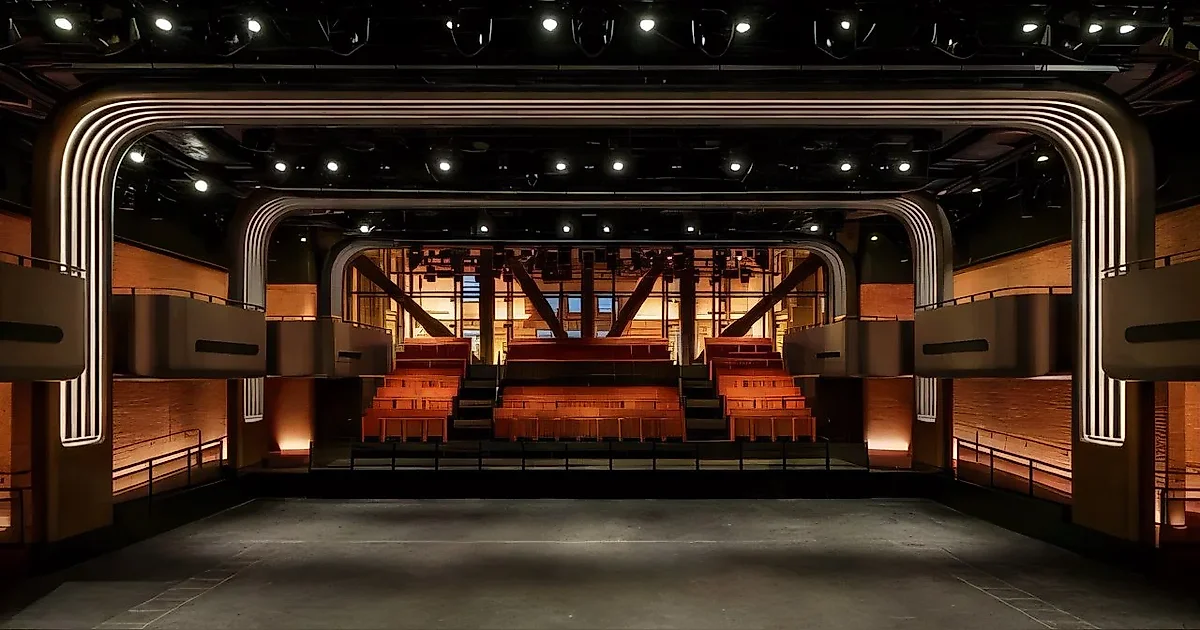
Apple opened the 600-seat ‘Apple Music Hall’ at the Battersea Power Station in London on the 28th local time. According to media reports, the first performance was held by Elton John. He has been hosting the weekly radio show ‘Rocket Hour’ since Apple Music launched in 2015. The venue is equipped with a dedicated recording studio and a mixing room, and every performance is recorded in multi-track. It also features more than 16 cameras and 48 speakers surrounding the audience seats.
Spotify launched ‘Reserved’ in the United States last June for loyal listeners. Based on streaming and saving/sharing history, eligible users are selected to purchase two tickets for tours ahead of general presales. They have signed a multi-year contract with Live Nation, and Ticketmaster is in charge of ticket sales. Spotify does not charge a ticket fee and has included this feature in its existing premium plans.
The slowdown in subscription growth is cited as the background for platforms choosing concert benefits. According to media reports citing data from the International Federation of the Phonographic Industry, while the number of paid subscription account users worldwide was 837 million last year, the growth rate of paid subscription revenue decreased to 11.2% in 2023, 9.5% in 2024, and 8.8% last year. Spotify's gross profit margin last year was 32%, and it recorded annual operating profit for the first time in 2024. Following price increases in July 2023, 2024, and January this year, the United States individual plan became 12.99 dollars per month. JPMorgan estimated that increasing the United States price by 1 dollar per month would increase annual revenue by approximately 500 million dollars.
The concert business also links revenue other than tickets with subscription retention strategies. Live Nation's concert division revenue last year was 20.9 billion dollars, with an adjusted operating profit of 687 million dollars, representing a margin of 3.3%. In the same year, adjusted operating profits from sponsorship (845 million dollars) and Ticketmaster (1.1 billion dollars) were larger than the concert division. In South Korea, a collection regulation that distributes 65% of monthly streaming revenue to rights holders has been applied since 2019. YouTube Music is not subject to this regulation. Last August, Kakao Entertainment launched a plan combining YouTube Premium Lite and Melon vouchers through SK Telecom’s ‘T Universe’.
The MMA is an event that combines music usage data, fan voting, and expert judging, and it is in its 18th year this year. Last year at MMA2025, Melon operated long-term subscriber presales and VIP red carpet invitations, and the awards ceremony was broadcast live on the Melon app/web and Wavve. Melon stated that the total number of plays for MMA within the platform increased by 230% compared to the previous year. According to data from the Korea Arts Management Service, the ticket sales for popular music performances in the first half of this year were approximately 452.7 billion won, an increase of 9.6% compared to the same period last year, accounting for 55.9% of the total performance market revenue. Kakao's music division revenue in the second quarter was 558.4 billion won, an 8% increase, and the company cited the expansion of major IP performances as a growth factor. Media reports pointed out that music platforms are utilizing concerts not only as a direct revenue source but also as a means to retain subscribers and secure exclusive content, noting that K-pop is likely to be the next stage for cooperation.
Korea Social Welfare Journal is striving to deliver press releases and welfare information more easily and accurately with the help of AI technology.
Covers K-pop for KSW Journal, and also writes about Culture and K-Variety.


Comments 0
Comments are currently disabled.