
Photographer Alex Kim to showcase Pakistan in EBS1 series
Photographer Alex Kim, a 2012 National Geographic People award winner, will lead a journey through Pakistan to explore human connections and local traditions in a new four-part series on EBS1 starting November 16. The series follows Kim's long-standing ties to the region, including his work supporting a school in Surungo established following a meeting with a porter in the Himalayas.
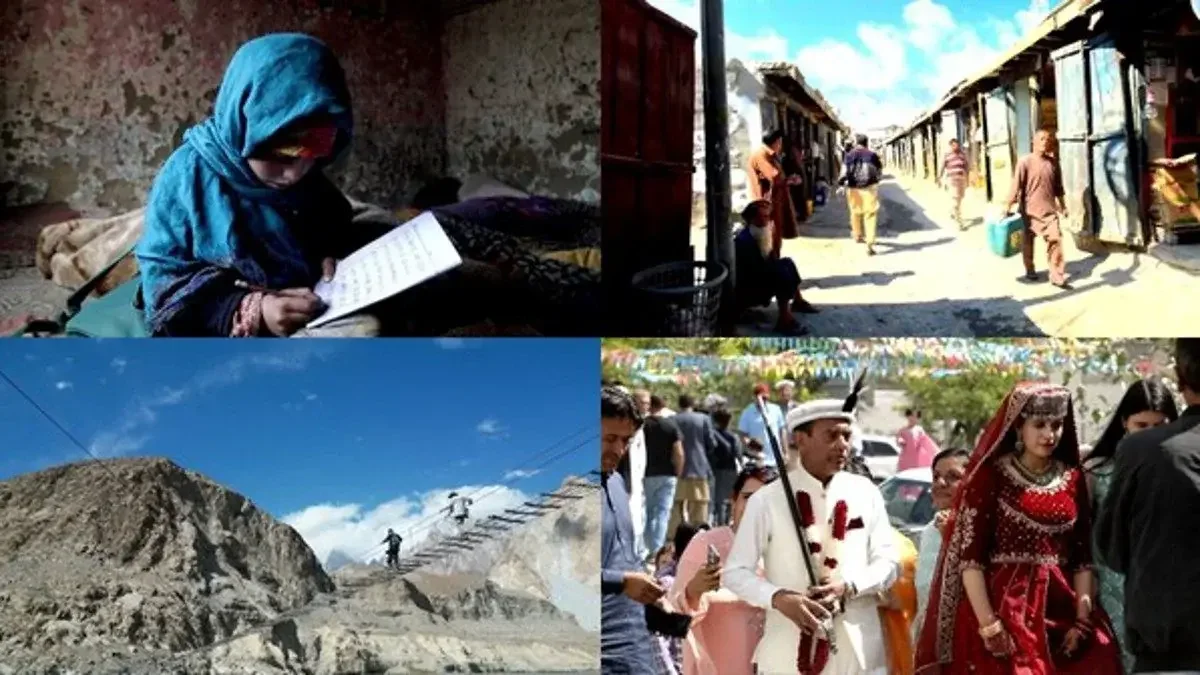
Photographer Alex Kim will travel through the landscapes and people of Pakistan in a four-part EBS1 series airing from November 16 to November 19, 2026. The series follows Kim as he visits locations ranging from the 3,000-meter altitude of Surungo to the 4,000-meter Babusar Pass.
The EBS1 series, scheduled to air from Monday, November 16, to Thursday, November 19, 2026, at 8:40 PM, follows photographer Alex Kim through the landscapes and people of Pakistan. Having traveled the world since age 20, Kim, who won a National Geographic People award in 2012, has maintained a deep connection to the region for 15 years. This connection began during a 2011 expedition to the Himalayas when he met a Pakistani porter named Yusuf, leading Kim to establish Alex Elementary School in Surungo near Skardu to provide educational support and engage with local residents.
Part 1. A Connection That Changed My Life, Skardu - Monday, November 16
The first episode journeys to Skardu, a city nestled within the massive Karakoram range. Kim explores the area's unique stories, from the friendly barbers in the Old Bazar, the oldest market in Skardu, to a special joint wedding held by three brothers and their youngest uncle. The journey also visits the mysterious Sam Sam Water, a spring with a 500-year history. Along the way, Kim encounters children picking sweet Mayul fruit from trees and visits a gem mine perched on steep cliffs, where miners risk their lives to extract tourmaline, aquamarine, and quartz. The episode concludes in the remote village of Surungo, located at an altitude of over 3,000 meters, where Kim visits the small school he founded and follows the daily life of eight-year-old Alina, revisiting the special story of how his meeting with Yusuf led to the creation of the village school.
Part 2. A Place of Happy Longevity, Hunza - Tuesday, November 17
The second episode explores Hunza, a land shaped by the grand peaks and glaciers of the Karakoram. To uncover the secrets of the area's reputation as a village of longevity, Kim meets 96-year-old Shelly Akbar to discuss the secrets of healthy aging, while observing the local lifestyle through Hunza Water flowing from glaciers and simple traditional foods. The journey follows the dangerous process of harvesting Salajeet, a precious medicinal ingredient, from deep rock crevices in the mountains. Moving to the village of Gulmit in Upper Hunza, Kim is invited to a wedding between a 45-year-old groom and a 25-year-old bride. Following the celebrations, the group travels to Sost, where the bride lives, to share Bhat, a traditional feast of the Wakhi people. The episode then heads to Passu, where Kim crosses a dizzying suspension bridge to visit farmers harvesting potatoes and orange sea buckthorn fruit, sharing sea buckthorn juice with a 99-year-old elder to reflect on the meaning of aging happily in Hunza.
Part 3. Kalash, Special People - Wednesday, November 18
The third episode travels beyond the Shandur Pass, a high mountain pass at approximately 3,700 meters, toward Chitral in the Hindu Kush mountains. Kim observes the daily lives of people living in harmony with nature, such as potato farmers and merchants washing fruit in valley streams. In the deep valleys of Chitral live the Kalash, an ethnic minority that has preserved its unique faith and traditions. Visiting the largest valley, Bumburet, Kim meets residents preparing for winter by harvesting walnuts and corn. The episode explores the long-standing culture and unique beliefs of the Kalash through the Pasti, traditional storage for grains and fruit, and the Jeshtak-Han, a ritual space dedicated to a protecting goddess. The journey includes visiting the Panchakki, a traditional watermill that uses the power of flowing water to grind grain, and sharing corn bread with young girls. Kim also examines the unique funeral and memorial culture through the Kundurik, a wooden memorial in the village, and visits the Kalasha Dur School, where children learn their native language and culture.
Part 4. Landscapes Led by the Wind - Thursday, November 19
The final episode follows the endless mountain roads toward the Babusar Pass, which exceeds 4,000 meters in altitude. Passing through the Kaghan Valley, characterized by green forests and valleys, the journey pauses at the Kiwai Waterfall. Along the road, Kim captures simple scenes of people helping move broken motorcycles and shepherds herding sheep. At the windy summit of Babusar Pass, he meets two young brothers selling grilled corn, and near Gilgit, he observes the traditional method of pressing oil from apricot kernels and tastes Kilao, a delicacy made by coating nuts in sweet fruit juice. The journey continues to the Yasin Valley in the Hindu Kush, where Kim captures the scenery of a quiet village beneath grand snowy mountains. The expedition ends at the Deosai plateau, touching the sky at over 4,000 meters, featuring vast grasslands, the blue Sheosar Lake, and marmots appearing among the grass. After camping under the high-altitude night sky, Kim visits a nomadic family tending to sheep and goats in summer pastures, observing the traditional method of making butter by shaking yogurt in a leather pouch.
Covers K-pop for KSW Journal, and also writes about Culture and K-Variety.
Comments 0
Comments are currently disabled.