
EBS 1TV to explore advance directives and home hospice care
The EBS 1TV program "The Great Doctor" will air a special episode on November 27, 2026, covering advance directives and home hospice care to help individuals prepare for the end of life.
The EBS 1TV program "The Great Doctor" will air on Friday, November 27, 2026, to examine advance directives and hospice care. The broadcast addresses end-of-life choices in South Korea, where only approximately 7% of the adult population has completed an advance directive.
If that day comes, would you choose life-sustaining treatment? Will you opt for cardiopulmonary resuscitation, ventilators, or vasopressors at the final moment of life? How much do we truly know about life-sustaining treatments that extend life without any possibility of recovery? Sudden decisions regarding such treatments can often place a heavy burden on the family members left behind. An advance directive allows individuals to express their wishes while they are still healthy. As the final moment of life comes to everyone, where and with whom will we be? The program explores home hospice care, a preferred end-of-life setting for Koreans, where care is received at home.
The broadcast is scheduled for Friday, November 27, 2026, at 9:55 PM on EBS1.
While the final moment of life comes to everyone, few people think about or prepare for it in advance. If a decision must be made regarding life-sustaining treatment in a situation where recovery is impossible, what choices will we make? If a person's health deteriorates before they can convey their wishes, that heavy decision may fall entirely upon the remaining family.
South Korea has an advance directive system that allows individuals to pre-determine their wishes regarding life-sustaining treatment. Although introduced in 2018 to ensure a dignified end of life, the number of people who have completed one remains at approximately 7% of the total adult population. Preparing for one's end in advance remains unfamiliar in our society.
Death comes to everyone, but its form varies for each person. Cancer remains the leading cause of death in South Korea. Despite dazzling advancements in medical technology, one in four Koreans passes away due to cancer. For terminal cancer patients, the remaining time can often be a struggle against extreme pain. Is there a way to ensure they can remain more comfortable until their final moments? The program examines the role of hospice in alleviating the suffering of these patients and accompanying them through their final days.
What is included in life-sustaining treatment? Will completing an advance directive mean one cannot receive treatment in an emergency?
A healthy woman in her 40s visits a hospital to complete an advance directive. Life-sustaining treatment refers to medical actions performed to extend the life of a patient in the terminal stage who has no possibility of recovery. An advance directive is a document in which an individual expresses their wishes in advance regarding whether they will receive life-sustaining treatment when they reach the terminal stage; anyone aged 19 or older can complete one.
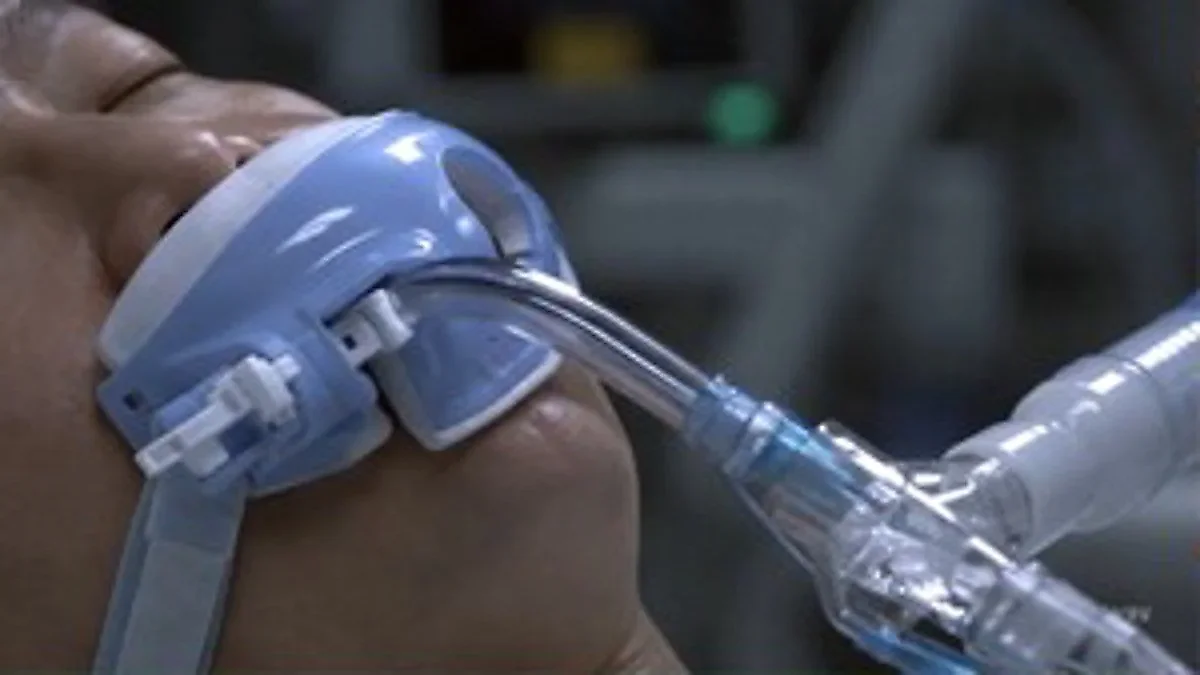
Medical procedures categorized as life-sustaining treatment include cardiopulmonary resuscitation performed when the heart stops, ventilators used when it is difficult to breathe on one's own, hemodialysis to replace kidney function, and the administration of anticancer drugs. Does completing an advance directive mean one will not receive treatment even in an emergency? That is not the case. In emergency situations where recovery is possible, such as sudden accidents or illnesses, necessary treatment can still be received. This is because an advance directive only takes effect when a person is medically determined to be in the terminal stage.
Furthermore, the directive can be changed or withdrawn at any time after it is completed. Where and through what procedures can an advance directive be written? "The Great Doctor" will explore the meaning and methods of completing an advance directive, a choice made to have one's wishes respected at the end of life.
A comfortable end in the familiarity of one's own home: Home Hospice
Lee Deok-su, 55, suffers from terminal pancreatic cancer. He has chosen "home hospice." Facing a warm meal prepared by his wife rather than hospital food has brought him significant peace of mind. Home hospice is a system where medical staff visit a patient's home to manage pain and provide necessary medical care. Who can use home hospice, and how? What kind of treatment and care can be received at home? The program looks into home hospice, which reflects the wishes of those who want to pass away at home rather than in a hospital.
In addition to home hospice, there is inpatient hospice, which provides professional care in a hospital. From pain control to psychological and emotional support, hospice helps patients live each day alongside their loved ones until the very end. The true role of hospice in improving the quality of the remaining life will be explored with family medicine professors Kim Yeong-seong and Ahn Chang-ho.
In the EBS "The Great Doctor" episode "If that day comes, would you choose life-sustaining treatment?", the meaning of life-sustaining treatment and advance directives will be examined alongside family medicine professors Kim Yeong-seong and Ahn Chang-ho, while also looking into the role and necessity of hospice for meeting the final moments of life with dignity. This episode will be broadcast on EBS1 on Friday, November 27, at 9:55 PM and can be viewed again on the EBS website.
Covers K-pop for KSW Journal, and also writes about Culture and K-Variety.
Comments 0
Comments are currently disabled.