
EBS 'The Great Doctor' to feature latest treatments and management for chronic kidney disease
The EBS program 'The Great Doctor' will explore the risks, latest drug therapies, and lifestyle management for chronic kidney disease, a condition that often shows no symptoms until dialysis is required.

Chronic kidney disease, a condition where the kidney function of filtering waste from the blood is continuously damaged, may show almost no symptoms until the stage of dialysis is reached. EBS 'The Great Doctor' will cover the risk factors and latest treatments for this disease, which affects 1 in 7 adults and 1 in 4 people aged 70 or older. Metabolic diseases such as diabetes, hypertension, and obesity, as well as glomerulonephritis which can occur in younger age groups, are also causes of chronic kidney disease. Along with nephrology specialist Professor Kim Dong-ki, a leading authority on chronic kidney disease treatment, the broadcast will examine new drug therapies and lifestyle habits to protect the kidneys.
The program will air on Friday, October 23 at 9:55 PM on EBS 1TV. Through patient cases, it will introduce the progression of chronic kidney disease and treatment and management methods to delay dialysis. EBS explained that heart disease occurring as a complication is the primary cause of death for patients whose chronic kidney disease has progressed to the end stage. The broadcast will also cover the relationship where declining kidney function puts a burden on the heart, and declining heart function in turn affects the kidneys.
Chronic kidney disease progresses without symptoms; risk factors by age group
Chronic kidney disease is a condition in which kidney function is continuously damaged. The kidneys filter waste from the blood, and if function deteriorates, it can lead to systemic edema or heart complications. However, because there are often almost no distinct symptoms until the stage requiring dialysis, it can be difficult to recognize the disease through symptoms alone. EBS introduced that 1 in 7 adults and 1 in 4 people aged 70 or older suffer from chronic kidney disease. The broadcast explains that while the disease is common in those in their 70s, it can also appear in people in their 20s and 30s, requiring caution regardless of age.
Diabetes, hypertension, and obesity were presented as major risk factors for chronic kidney disease. For younger patients, glomerulonephritis, which is inflammation of the glomeruli, can be the underlying cause. EBS will examine the causes and treatment progress by introducing cases of patients who have suffered from chronic kidney disease. One 26-year-old male has suffered from chronic kidney disease due to glomerulonephritis since he was an elementary school student. Another patient felt no particular symptoms until being diagnosed with chronic kidney disease during a health checkup. These cases will be used in the broadcast to explain the causes and treatment methods of the disease.
Latest drugs to lower the risk of heart complications
EBS introduced that heart disease occurring as a complication is the number one cause of death among patients whose chronic kidney disease has progressed to the end stage. When kidney function declines, the burden on the heart increases, and when heart function drops, it also negatively affects the kidneys. The broadcast explains this reciprocal relationship between the kidneys and the heart and covers treatments that increase the survival rate of chronic kidney disease patients. Recently, new treatments such as SGLT2 inhibitors and non-steroidal mineralocorticoid receptor antagonists are being used. EBS stated that these drugs help slow the progression of kidney disease and reduce the risk of cardiovascular complications.
Diabetes was introduced as a representative cause of chronic kidney disease. This man has lived without cardiovascular complications. Through this case, EBS will explain the background of the continuous rise in the survival rate of chronic kidney disease patients and the mechanism and effects of new drugs. The drugs discussed in the broadcast are presented as treatments that slow the progression of kidney disease and reduce the risk of cardiovascular complications. Along with patient cases, Professor Kim Dong-ki will explain how these latest drugs are used in treatment.
| Case | Age | Related details |
|---|---|---|
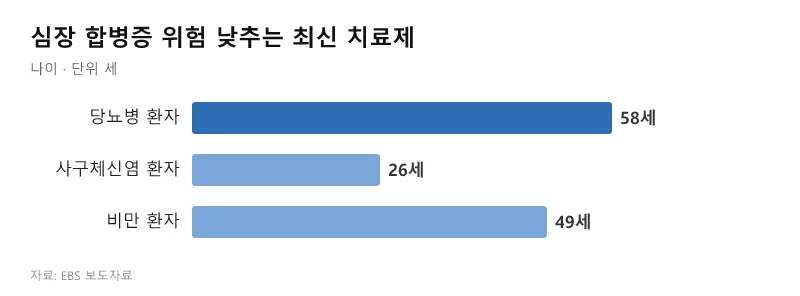
| Diabetes patient | 58 | Suffering for over 14 years |
| Glomerulonephritis patient | 26 | Onset during elementary school |
| Obesity patient | 49 | Lost 20kg in 6 months |
Targeted therapy introduced to glomerulonephritis patients
Glomerulonephritis is a disease where inflammation occurs in the glomeruli of the kidneys and is one of the causes of chronic kidney disease. The 26-year-old male introduced by EBS has suffered from chronic kidney disease due to glomerulonephritis since he was an elementary school student. Previously, there were no treatments, so the patient worried about whether he would have to undergo dialysis in his late 20s. Recently, after using targeted therapy, indicators of chronic kidney disease, such as proteinuria and glomerular filtration rate, have significantly improved. Through this patient's treatment progress, the broadcast will examine which patients targeted therapy is applied to and through what mechanism it treats kidney disease.
While conventional treatment was systemic immune therapy, targeted therapy works by blocking specific pathways that cause the disease. EBS explained that targeted therapy is known to increase effectiveness and reduce side effects. This treatment is being used in clinical settings after receiving approval from the FDA in the United States, but it is still in the clinical trial stage in South Korea. The broadcast will report the current status of use in the United States and South Korea, and Professor Kim Dong-ki will provide the latest medical information regarding the mechanism of action and treatment targets of targeted therapy. The case of a young patient suffering from chronic kidney disease due to glomerulonephritis will also be introduced.
Managing kidneys through weight loss, diet, and exercise
Obesity was presented as a factor that rapidly advances kidney damage. According to EBS, a 49-year-old man was diagnosed with chronic kidney disease during a health checkup three years ago. He had no particular symptoms before the diagnosis, but he had severe abdominal obesity, with a waist circumference of 40 inches and a weight of 84kg at the time. As a result of losing weight following the recommendation of 'The Great Doctor', he lost 20kg in 6 months, after which his kidney function improved noticeably. The broadcast introduces that the patient has felt somewhat less worried about dialysis. The program covers why weight loss is necessary for chronic kidney disease patients with obesity and the changes in the patient's case.
In the process of losing weight, chronic kidney disease patients must tailor their diet and exercise to the state of the disease. Patients may be sensitive to salt and potassium, so they must follow a meticulous diet, and exercise must also consider kidney function and health status. EBS will look into what diets and exercises to choose to protect the kidneys with Professor Kim Dong-ki. The broadcast covers not only new drugs but also obesity management and lifestyle habits as part of the treatment and management of chronic kidney disease. Information on how to adjust diet and exercise methods for each patient will also be introduced.
The chronic kidney disease episode of EBS 'The Great Doctor' will be broadcast on Friday, October 23 at 9:55 PM on EBS 1TV. The broadcast will cover the latest drug treatments, targeted therapy for glomerulonephritis, obesity management, and lifestyle habits to protect the kidneys with Professor Kim Dong-ki. After the broadcast, it can be viewed again on the EBS website.
Covers K-pop for KSW Journal, and also writes about Culture and K-Variety.

Comments 0
Comments are currently disabled.