
A Day in the Lives of Workers Who Bet Their Lives on Pork Dishes
EBS1's 'Extreme Jobs' visits pork rib restaurants in Icheon, Gyeonggi Province, pork soup restaurants in Daegu, and jokbal restaurants in a market in Gumi, Gyeongsangbuk-do, to capture the daily lives of workers preparing these foods. The program introduces the continuous work processes at each site, from ingredient preparation to making seasonings and broth, and boiling and grilling jokbal.
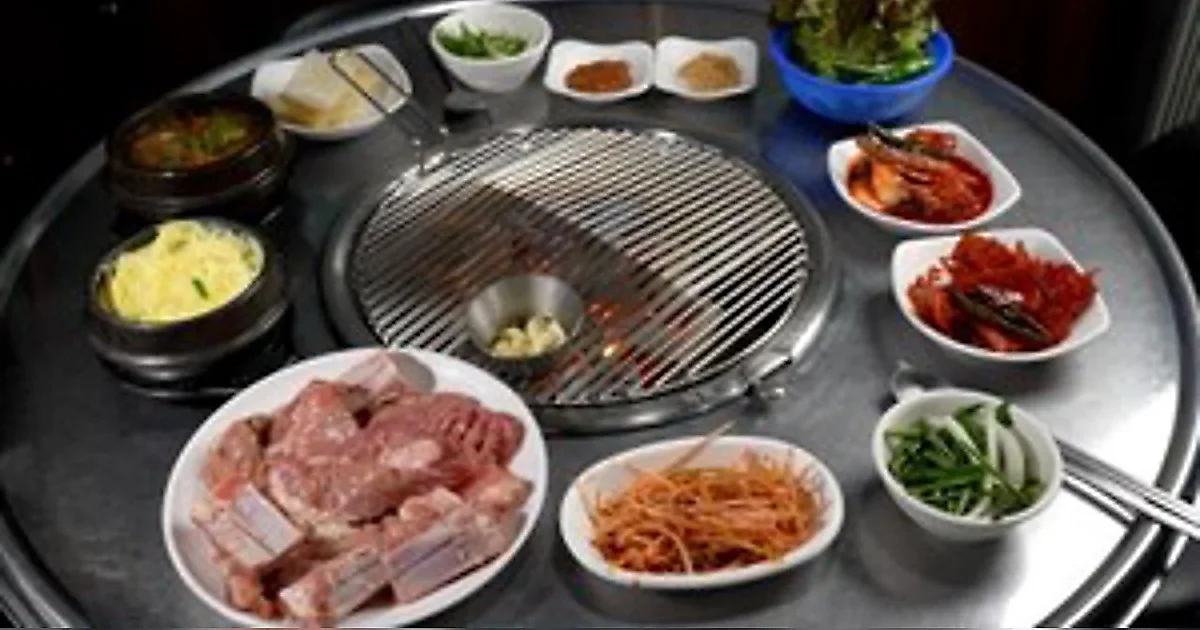
On the Korean dining table, pork is an ingredient used in various parts, including not only the meat but also the organs and bones. The cooking methods also differ, from pork ribs grilled over charcoal to pork soup (dwaeji-gukbap) made by simmering bones for a long time, to jokbal boiled in seasoned broth for a long time. EBS1 'Extreme Jobs' visits a pork rib restaurant in Icheon, Gyeonggi Province, a pork soup restaurant in Daegu, and a jokbal restaurant in a market in Gumi, Gyeongsangbuk-do, to capture the daily lives of workers preparing the food. It introduces the work processes continuing at each site, from ingredient preparation to making seasonings and broth, and boiling and grilling spicy jokbal. The broadcast will air on Saturday, October 10, 2026, at 9:05 PM on EBS1.
Manual labor continuing from rib preparation to ssamjang
A pork rib restaurant in Icheon, Gyeonggi Province, is operated by three generations together. When the doors open, customers flock in, and the business hours are about 5 hours. If the prepared ingredients run out, they may close before the business hours are over. According to the broadcast, this restaurant not only prepares rib trimming and seasoning but also makes the seasoned raw crab, seasoned pork skin, and ssamjang served as side dishes themselves. Because all the food is prepared by hand, there is a limit to the amount that can be prepared in a day.
The daughter and grandson sit in the same position for long periods to trim 90kg of ribs. During this process, they experience pain in their wrists, shoulders, and necks. Even while trimming the ribs, other tasks continue. The worker who fries the ssamjang and boils the rib seasoning must continuously stir so that the seasoning does not burn to the bottom of the pot. The broadcast reports that the repetitive stirring causes discomfort in the finger joints.
The ribs are coated in sweet and salty seasoning and grilled over charcoal. In this restaurant, not only the ribs but also the side dishes and ssamjang served to customers are prepared directly. Since the food is prepared through various tasks, there are days when they close early once ingredients are exhausted rather than continuing to operate as long as customers seek them. The broadcast follows the day of the workers who trim the ribs and make the seasoning, introducing the sight of the family running the restaurant together and the worker who has poured 50 years into ribs. The production team stated that customers eating the food deliciously and the family staying by their side give the workers a sense of reward.
A pork soup restaurant that parboils 240kg of bones and brews broth
A pork soup restaurant in Daegu sells 400 servings of soup on weekdays and at least 600 servings on weekends. The amount of bones used in a day is 240kg. To prepare one bowl of soup, the impurities from the bones must first be removed. After parboiling the bones for about 1 hour, all that water is discarded, and the broth is brewed again. The broadcast introduces the broth brewing time as 22 hours.
Workers stir the broth from time to time so that it does not burn to the bottom of the pot. They must work for a long time while enduring the heat rising from the pot and the broth splashing in all directions. Even after the task of brewing the thick broth is finished, trimming remains. Workers individually remove the oil floating on top of the sufficiently cooled broth. The broadcast stated that through this process, a clean and savory broth is completed.
The workers at the pork soup restaurant stand in front of the pot all day, performing tasks ranging from parboiling to brewing broth and removing oil. The time spent guarding the pot and stirring the broth is also long. Because the workers work standing up for a long time, they say it is difficult as their knees and joints are not in good condition. The program covers the work performed on-site before the soup is completed, from the stage of parboiling the bones to the process of cooling the broth and removing oil.
Gumi jokbal boiled in 20-year-old seasoned broth
In a market in Gumi, Gyeongsangbuk-do, there is a restaurant that boils jokbal in a seasoned broth that has been maintained for 20 years. During seasons when outdoor activities increase in spring and autumn, takeout customers visit from early morning, making the work busy from dawn. The day at the jokbal restaurant begins with boiling jokbal in the seasoned broth. Because there are many customers, workers boil jokbal in several pots all day long.
While the jokbal is being boiled, ingredients for the next pot must also be prepared. The worker's husband and son-in-law use knives and torch razors to remove the remaining fine hairs from the jokbal one by one. If the trimming stops, it can cause setbacks in the task of boiling the next jokbal, so the boiling and trimming tasks continue together. Workers squat for long periods to remove fine hairs, which they say puts strain not only on their wrists and shoulders but also on their waists.
In addition to boiled jokbal, this restaurant also makes seasoned jokbal and spicy jokbal. The seasoned jokbal is flavored with sesame oil, green onions, and garlic, and the spicy jokbal is grilled over briquettes to impart a smoky scent. The seasoning is made directly, and for spicy jokbal, the jokbal must be grilled one by one in front of the hot briquette fire. The task of boiling jokbal, removing fine hairs, and preparing specialty menus all proceed together throughout the day. The broadcast visits the site of the workers who boil, trim, and grill jokbal from dawn.
Different volumes for each restaurant and the continuous preparation process
The three workplaces have different foods being cooked and different daily routines. In Icheon, they fillet the ribs, remove the fat, and then prepare the seasoning. In Daegu, they parboil the bones, brew the broth for a long time, and then remove the oil. In Gumi, while boiling jokbal in the seasoned broth, they remove the fine hairs of the next ingredients and also make seasoned jokbal and spicy jokbal. The program covers the cooking process of each food and the tasks of the workers participating in those processes.
The main volumes and times introduced in the broadcast are as follows.
| Place · Task | Volume · Time shown in broadcast |
|---|---|
| Icheon rib trimming | 90kg |
| Daegu soup sales · Weekdays | 400 servings |
| Daegu soup sales · Weekends | At least 600 servings |
| Daegu pork bone usage | 240kg |
| Daegu broth brewing time | 22 hours |
| Gumi jokbal seasoned broth | 20 years |
The business hours of the Icheon restaurant are about 5 hours, and they may close early if the prepared ingredients run out. The jokbal restaurant in the Gumi market prepares to welcome takeout customers from the dawn of spring and autumn when customers flock in, and continues boiling and trimming jokbal. The broadcast follows the repetitive tasks performed by workers from preparing ingredients to completing the food at the three sites.
'Extreme Jobs' will be broadcast on Saturday, October 10, 2026, at 9:05 PM on EBS1. It is scheduled to introduce the daily lives and cooking processes of workers making pork ribs in Icheon, Gyeonggi Province, pork soup in Daegu, and jokbal in a market in Gumi, Gyeongsangbuk-do.
Covers K-pop for KSW Journal, and also writes about Culture and K-Variety.

Comments 0
Comments are currently disabled.