
Workers struggle to maintain low prices for food and goods
The EBS program "Extreme Jobs" will feature a buffet in Hongseong County, South Chungcheong Province, offering 40 dishes for 9,000 won, and refurb stores that resell inventory from closed or bankrupt companies.
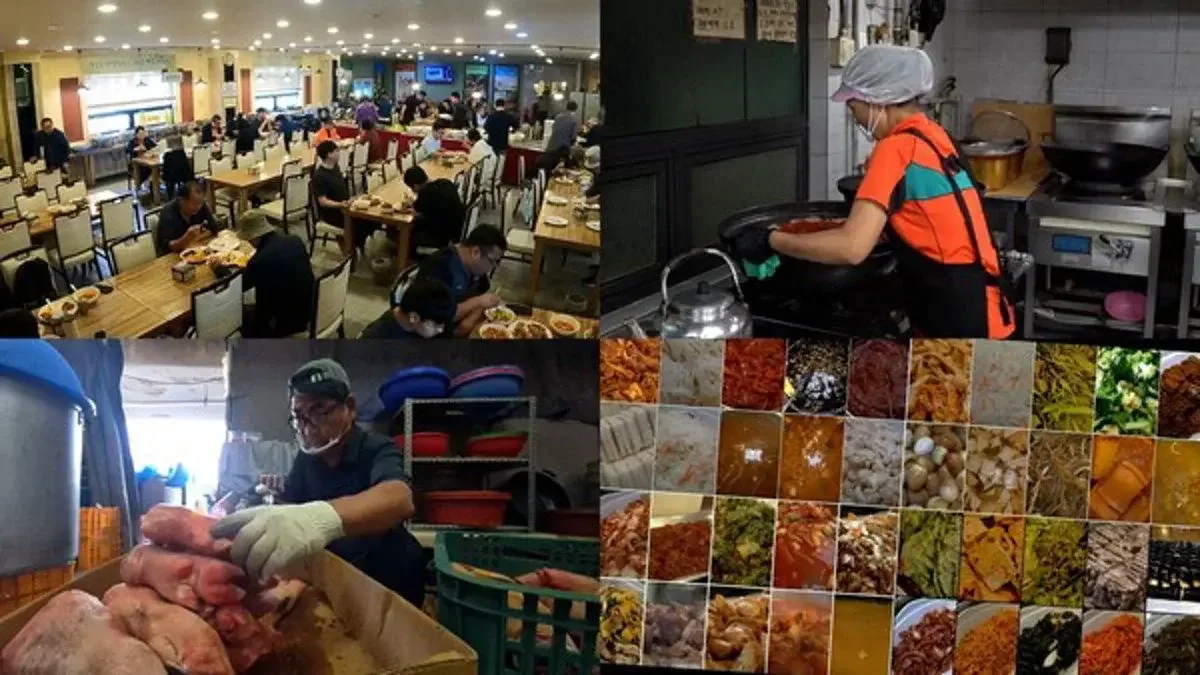
An upcoming EBS program on October 31, 2026, follows workers at a Hongseong buffet and refurb stores who combat high inflation. While the restaurant uses 120kg of jokbal daily to serve 40 dishes for 9,000 won, refurb store employees inspect up to 9,600 pieces of underwear in a single day.
The EBS program "Extreme Jobs" introduces sites where people work to lower the prices of food and goods while maintaining quality amidst high inflation. A buffet restaurant in Hongseong, South Chungcheong Province, serves approximately 40 different dishes for 9,000 won, while refurb stores purchase inventory from closed shops and bankrupt companies to resell after inspection and sorting. While the restaurant begins ingredient preparation and cooking in the early morning, refurb stores inspect goods collected from across the country. EBS captured the daily lives of the restaurant and discount store workers busy behind these low prices. The broadcast will air on Saturday, October 31, 2026, at 9:05 PM on EBS1.
Hongseong buffet serving 40 dishes for 9,000 won
A buffet restaurant in Hongseong County, South Chungcheong Province, charges 9,000 won per person for approximately 40 types of food. Customers can enjoy various menus including spicy stir-fried pork, kimbap, sweet and sour pork, and jokbal (braised pig's trotters). EBS reported that jokbal is particularly loved by customers, with some traveling long distances specifically to eat it. The restaurant uses as much as 120kg of jokbal in a single day. Before being served, the jokbal must undergo processes of being cut into bite-sized pieces and having fine hairs removed.
| Item | Scale |
|---|---|
| Buffet meal price | 9,000 won |
| Types of buffet food | Approximately 40 types |
| Daily jokbal usage | 120kg |
| Daily step count | 30,000 steps |
| Daily underwear inspection volume | 9,600 pieces |
Sharp cutters are used when slicing the jokbal. Workers must remain vigilant to avoid injury from the cutters while preparing ingredients. To ensure customers can access a variety of foods, the restaurant continues ingredient preparation and cooking. In the kitchen of the restaurant, which provides various menus at the 9,000 won price point, workers prepare daily ingredients and cook various dishes in addition to the jokbal. The scenes captured by EBS include the work of people moving from the early morning to prepare jokbal and operate the restaurant.
Kitchen work during lunch hour and a commitment to good ingredients
As lunchtime approaches, the kitchen simultaneously handles ingredient preparation, cooking, and customer service. During a busy day, the step count can reach as high as 30,000 steps. Working in front of hot cooking equipment often leaves small and large burn marks on hands. The daily routine for restaurant workers extends beyond preparation and cooking to managing the process of welcoming customers and serving food.
The restaurant adheres to the principle of using good ingredients while maintaining low prices. Some vegetables are grown directly to be served on the table. It was also noted that many elderly people visit the restaurant. EBS reported that the restaurant staff puts sincerity into every meal with the mindset of serving their own parents. The broadcast covers the process of preparing various menus, including jokbal, and using some self-grown vegetables in the food. The cycle of preparing and cooking ingredients to serve a meal to customers repeats, with work in the kitchen continuing before and after lunchtime.
Purchasing inventory nationwide and sorting by type
Workers at refurb stores travel across the country to purchase inventory from closed stores and bankrupt companies. The items handled at the stores are diverse, including clothing, shoes, and household goods. When goods collected from across the country arrive at the warehouse, they are first sorted and organized by type. The process of preparing goods for sale does not end with sorting; it is followed by an inspection to check the condition of each product.
During the inspection process, even small scratches or stains are examined. Store workers check for any issues with the products before organizing them for sale. According to EBS, the volume of underwear inspected in a single day reaches 9,600 pieces. Working in the same posture while checking such large quantities is said to cause pain in the waist and eyes. After purchased inventory arrives at the warehouse, the work of dividing types and checking conditions continues, and products intended for consumers undergo this process. Since they handle different types of items such as clothing, shoes, and household goods, it is necessary to classify and inspect them by category.
Selling through offline, broadcast, and export after inspection
On days when warehouse grand opening events are held, customers visit the store to buy goods at low prices. The sales method of refurb stores is not limited to offline stores. They also sell products through live broadcasts and find new owners through exports. The structure involves purchasing inventory from closed stores or bankrupt companies, inspecting it, and delivering it to consumers through different sales channels. After being sorted and inspected in the warehouse, products are sold through various routes such as store events, live broadcasts, and exports.
Inventory that has passed inspection can be resold as items needed by someone. EBS reported that store workers feel a sense of reward in restoring the value of products and providing frugal purchasing opportunities to consumers. The broadcast follows the work of the refurb store, from the process of purchasing inventory nationwide to sorting and inspection in the warehouse, and finally to the warehouse opening events and various sales methods sought by customers.
EBS "Extreme Jobs" introduces the work carried out to lower prices at the 9,000 won buffet restaurant and the refurb stores. The broadcast captures the daily lives of these two sites, from the preparation and cooking of jokbal and ingredient preparation at the Hongseong restaurant to the inspection and sale of inventory products, airing on Saturday, October 31, at 9:05 PM on EBS1.
Covers K-pop for KSW Journal, and also writes about Culture and K-Variety.
Comments 0
Comments are currently disabled.