
EBS1 to Broadcast Textbook Documentary on October 3 at 2:10 PM... From Knowledge of the World for All to AI
EBS will broadcast a special documentary titled "Textbooks, the Books that Made Korea's Today" on October 3 at 2:10 PM on EBS1 to commemorate Textbook Day. The program explores the history and evolving value of textbooks that have accompanied South Korea's growth, from historical texts to modern AI digital materials.
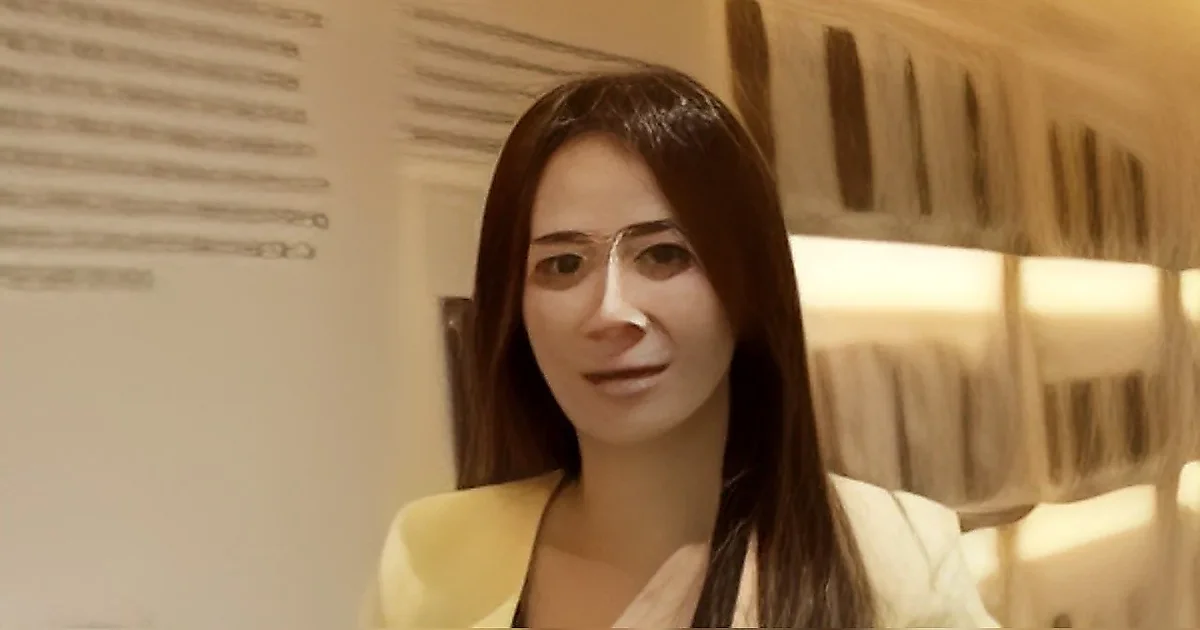
Textbook Day special documentary <Textbooks, the Books that Made Korea's Today>
Education accompanied South Korea's growth, and at its center were 'textbooks.'
- From 『Knowledge of the World for All』 to the tent classrooms of the Korean War, reviewing the history of Korean education through textbooks - Japan's 'blacked-out textbooks' and the joint history textbooks of Germany and France, and the new values each country embedded in textbooks after the war - From enlarged and Braille textbooks to AI digital educational materials... textbooks evolving to match the changes in eras and students - Revealing the process of how a single textbook is created, from writing, editing, and illustration to printing, while thinking of 'each and every student.'
* Broadcast Date/Time: Saturday, October 3, 2026, at 2:10 PM, EBS1
In commemoration of Textbook Day, EBS will broadcast the special documentary <Textbooks, the Books that Made Korea's Today>, which highlights the history and value of textbooks that have grown alongside South Korea, on EBS1 on Saturday, October 3, at 2:10 PM.
One of the most important resources for South Korea to reach its present state was 'people,' and the power that nurtured people was education. And at the center of that education, there were always textbooks.
Yoon Hye-jeong, an EBS Korean language instructor and current teacher, serves as the presenter to find the history of Korean education within old textbooks.
From 『Knowledge of the World for All』 and 『National Elementary Reader』, to the 『New Korean Language Reader』 immediately after liberation, and textbooks from the time of the Korean War to today's AI digital educational materials, the program examines what we have learned to reach the present through textbooks that have changed with the times.
From 『Knowledge of the World for All』, which opened eyes to the world, to textbooks in tent classrooms during the war
As eras change, what needs to be learned also changes. Textbooks have contained the knowledge and values required at each point in time. In 1890, the world geography textbook 『Knowledge of the World for All』, written and published in pure Hangeul by the American missionary Homer Hulbert, showed a wider world to the children of Joseon. In 1895, the 『National Elementary Reader』, compiled directly by the state, appeared, laying the foundation for modern school education.
However, during the Japanese colonial period, it was impossible to freely teach our language and history. After liberation, education in our language resumed with the publication of the 『New Korean Language Reader』, but the Korean War broke out shortly thereafter.
Even when schools and classrooms disappeared due to the war, learning did not stop. Children gathered in tents holding their textbooks. Through the testimony of Kim Yong-man, who studied in a tent school at that time, and the 『Life in Wartime』 textbook produced during the war, the production team tells the stories of people who continued their education despite difficult environments.
Japan, which blacked out what was learned until yesterday; Germany, which made textbooks with long-time enemies
South Korea was not the only country that had to remake its textbooks after the war. In Japan, following its defeat, so-called 'blacked-out textbooks' appeared, where the militaristic content of existing textbooks was blacked out. Along with the images of Japanese students who had to personally erase what they had learned until the day before, the program examines how Japanese education and textbooks changed after the war.
In Germany, discussions for revising textbooks to overcome past hostile relationships continued. After long discussions, Germany and France created a joint history textbook, and Germany and Poland chose a method of presenting different historical perspectives together. The production team visits the Tokyo Textbook Library in Japan and the Georg Eckert Institute for International Textbook Research in Germany to examine the process of how textbooks remember the past and transmit history to the next generation.
From technology of the industrial era to AI today, textbooks change as eras change
How did South Korea's textbooks change after the war? As the era changed, the content contained in textbooks also changed. Along with industrialization, content regarding new technologies and industries increased, and in the 1990s, computers and information technology appeared, and today, artificial intelligence appears in textbooks.
Moving away from learning that finds and memorizes correct answers, textbooks are also changing toward ways of expressing one's own thoughts and connecting learned content to real life. From various illustrations and designs to enlarged and Braille textbooks, the program also examines the changes in textbooks for students' learning.
Though their appearance changes, what remains constant is the book that makes people learn and grow
Textbooks are also memories that connect generations and starting points for new learning. The program listens to the stories of various generations who reopen their textbooks from their school days, and in Uiseong, Gyeongsangbuk-do, meets elderly people who are learning Hangeul through textbooks even in their nineties. Additionally, it introduces the process of how teachers, experts, and editors create textbooks for students' learning.
While the content and appearance of textbooks have changed as eras changed, the role of making people learn and grow has continued. Now that digital and AI have entered the classroom beyond paper books, what role should textbooks play in the future?
<Textbooks, the Books that Made Korea's Today> retraces the value of textbooks, which have served as the standard of knowledge and the backbone of learning, through the changing appearance of textbooks in each era.
The EBS Textbook Day special documentary <Textbooks, the Books that Made Korea's Today> will be broadcast on EBS1 on Saturday, October 3, at 2:10 PM.
* Related photos are available on the EBS institutional website (about.ebs.co.kr) - Cyber PR Office - Highlights, on the corresponding broadcast date.
◆ At a Glance
· Publishing Institution: EBS
· Category: Textbook Day Special - Textbooks, the Books that Made Korea's Today
· Distribution: October 2
Source: EBS Press Release
Korea Social Welfare Journal is striving to deliver press releases and welfare information more easily and accurately with the help of AI technology.
Covers K-pop for KSW Journal, and also writes about Culture and K-Variety.
Comments 0
Comments are currently disabled.