
Yonsei professor to discuss human competitiveness in the AI era
Yonsei University Professor Hong Jin-gi will present a four-part lecture series titled "Asking About Human Competitiveness in the AI Era" on EBS1 starting November 23. The series examines how humans can maintain intellectual depth and agency while using AI tools.
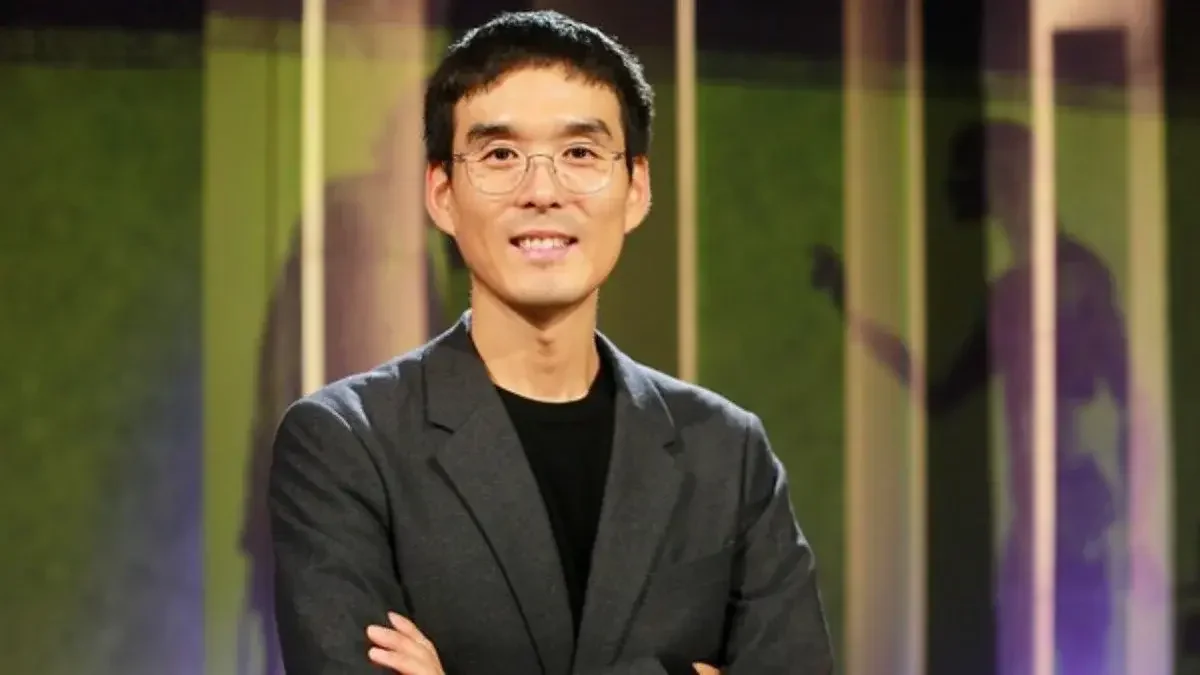
Yonsei University professor Hong Jin-gi will present a four-part lecture series on EBS1 starting November 23 to explore "smart incompetence" and the risks of delegating thought to AI. The series, airing every Monday and Tuesday at 5:30 AM, examines how humans can maintain direct reasoning and experience in an age of increasing AI accuracy.
EBS Class e will broadcast a four-part lecture series titled "Asking About Human Competitiveness in the AI Era" by Hong Jin-gi, a professor in the Department of Chemical and Biological Engineering at Yonsei University, starting November 23. The lectures are scheduled to air every Monday and Tuesday at 5:30 AM on EBS1.
The series "Hong Jin-gi's 'Asking About Human Competitiveness in the AI Era'" begins with the question of whether humans have actually become smarter in an age where everyone is increasingly familiar with AI tools. In his book *Outsourcing Thought*, Professor Hong defines "thinking outsourcing" as the act of delegating the most painful and precious stages where thought should grow to external sources.
The lectures begin with a scene from a semester where "humans" have disappeared from assignment reports. While sentences have become smoother, the underlying evidence has become shallow, leaving students silent when asked, "Why did you think that way?" Professor Hong calls this state of possessing the correct answer but losing the personal language required to explain how that answer was reached "smart incompetence." He explores this danger through Harvard University researchers' PNAS cross-experiments, Harry Braverman's theory of deskilling, and the paradox where human review disappears as AI becomes more accurate.
The lectures go beyond diagnosis. Through the scene of Helen Keller at the water pump and the cases of Barbara McClintock and Enrico Fermi, the series demonstrates the "thickness of experience" that AI cannot replicate. It also draws upon the "calluses of thought" possessed only by those who have passed through direct reasoning, as seen in Tolstoy's *Ivan the Fool*. The lectures aim to teach how to hold the steering wheel without turning off the AI engine and how to answer the final question: "Would you put your name on a report written by AI?"
On November 23, the first lecture, "Have You Become Smarter in the AI Era?", will address the "smart incompetence" where humans disappear from reports. It will discuss the cost of "thinking outsourcing" by examining Harvard University research on high test scores paired with low feelings of learning, and a calculation showing how a 0.1 point difference between "Ability 2.0" and "Ability 1.9" expands to a gap of 1,024 and 613 after ten amplifications.
The second lecture on the 24th, "Why Must We Think?", will cover why human review disappears as AI becomes more accurate and why AI that merely agrees with the user triggers a "spiral of delusion." It will address the loss of "discomfort"—which disappears as the price of being wrong reaches zero—and explain why humans must think directly, noting that the brain grows through prediction errors.
On November 30, "Whose Prompt Is Yours?" will air. The lecture asks if the same answer would be produced if someone else wrote your prompt. Using the examples of Helen Keller's water pump and the cases of McClintock and Fermi, it will demonstrate the thickness of experience AI cannot replace and present the axis of "experience $\rightarrow$ judgment $\rightarrow$ responsibility" that must remain within humans.
The final lecture, "The Human Share in the AI Era," will air on December 1. The fourth lecture discusses how to hold the steering wheel of the runaway AI engine. It summarizes the human role through four mechanisms—stopping, verbalizing, reviewing, and leaving room for error—and the "calluses of thought."
The series "Hong Jin-gi's 'Asking About Human Competitiveness in the AI Era'" airs on EBS1 every Monday and Tuesday at 5:30 AM from November 23 to December 1, and can be rewatched on the EBS Class e website (classe.ebs.co.kr).
EBS Class e, which began in 2020, is a representative knowledge and culture program of EBS that delivers knowledge and insight that pierces through the times. Through lectures by top experts in various fields, it provides viewers with broad knowledge and deep insight, opening a forum of knowledge that predicts the future and leads change.
Lecturer: Hong Jin-gi / Engineer
- Professor, Department of Chemical and Biological Engineering, Yonsei University
- Major work: *Outsourcing Thought*
Covers K-pop for KSW Journal, and also writes about Culture and K-Variety.


Comments 0
Comments are currently disabled.