
EBS 'The Great Doctor' to feature bladder cancer diagnosis and treatment
The EBS program 'The Great Doctor' will feature Professor Lee Dong-hyun to discuss the warning signs, diagnosis, and long-term management of bladder cancer, emphasizing that painless hematuria can be a critical symptom.
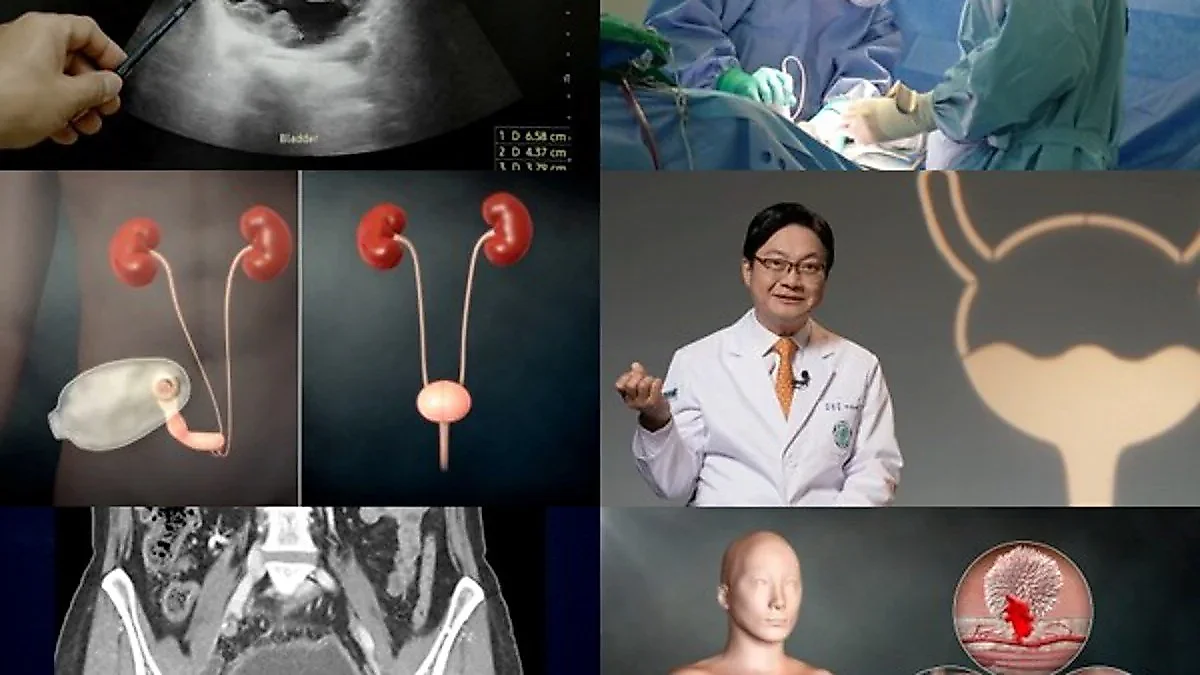
The October 30 broadcast of EBS 'The Great Doctor' will feature urology professor Lee Dong-hyun to discuss how painless hematuria can signal bladder cancer. The program will cover how treatment methods, such as endoscopic removal or bladder replacement surgery, depend on whether cancer has invaded the muscle layer.
It is easy to overlook blood in the urine if it is not accompanied by pain. However, hematuria—a representative symptom of bladder cancer—may occur without pain, and because it can be asymptomatic or mimic other urinary tract diseases, detection is often delayed. Treatment methods vary depending on whether the cancer has invaded the bladder muscle layer. While endoscopic treatment that preserves the bladder is possible in some cases, other patients must undergo bladder removal and require new methods for urine excretion. In a broadcast on October 30, EBS 'The Great Doctor' will feature urology professor Lee Dong-hyun to cover the initial signs of bladder cancer, its diagnosis, surgery, and follow-up management after recurrence.
An 80-year-old male patient diagnosed with bladder cancer visited the hospital suffering from severe abdominal pain. During an examination for gallstones, a tumor was discovered in his bladder. He had frequently experienced blood in his urine previously but had dismissed it because it was painless. The examination revealed bladder cancer that had spread across various parts of the bladder, making bladder preservation difficult. Consequently, he underwent a cystectomy and must now live with an external urine bag. The broadcast uses this case to explain that hematuria can occur without pain, and ignoring such symptoms can make it difficult to preserve the bladder at the time of discovery.
The broadcast also covers the process of how hematuria occurs in bladder cancer. As cancer grows, it creates new blood vessels to receive necessary nutrients. These vessels are weaker than normal vessels and are easily damaged by minor irritation. When bleeding occurs within the bladder tumor, the blood mixes with urine, resulting in hematuria. Since the bladder is an organ where abnormalities are difficult to perceive, and painless hematuria is often mistaken for fatigue, the program introduces the progress of the 80-year-old patient alongside the principles of hematuria, noting that the possibility of bladder cancer cannot be ruled out simply because there is no pain.
Symptoms resembling prostatitis or cystitis can delay diagnosis
A male patient in his 60s visited a local clinic due to hematuria. He was told the bleeding was caused by prostatitis and took medication, but the hematuria did not stop. At the urging of his concerned wife, he visited a large hospital, where abnormalities were confirmed in the bladder rather than the prostate. A bladder endoscopy revealed cancer, and the patient faced an upcoming bladder removal surgery. This case illustrates how the cause of hematuria, initially thought to be a prostate disease, was confirmed as bladder cancer. The broadcast presents situations where it is difficult to distinguish bladder cancer from other urinary diseases based on symptoms alone.
In addition to hematuria, bladder cancer can manifest as frequent urination, urgency (a sudden, difficult-to-suppress need to urinate), and painful urination. In particular, carcinoma in situ can have symptoms similar to cystitis or benign prostatic hyperplasia, which may lead to delayed discovery while being treated for other conditions. When bladder cancer symptoms overlap with those of prostatic hypertrophy or cystitis, it is not easy to identify the cause based solely on the symptoms experienced by the patient.
Muscle layer invasion determines treatment and bladder replacement surgery
A male patient in his 70s, diagnosed with bladder cancer following hematuria, visited a hospital to inquire about artificial bladder surgery. However, the tumor found in his bladder was over 6cm in size. The surgical method could not be decided by the size of the tumor alone; additional tests were required to confirm how far the cancer had invaded and whether it had metastasized to other areas. Bladder cancer is divided into non-muscle-invasive bladder cancer and muscle-invasive bladder cancer, depending on whether the cancer cells have invaded the muscle layer of the bladder wall. The broadcast explains that this distinction serves as the standard for determining the direction of treatment.
Non-muscle-invasive bladder cancer has not invaded the muscle layer, allowing for treatment that removes the tumor via endoscopy while preserving the bladder. Muscle-invasive bladder cancer is a state where cancer cells have penetrated the muscle layer. Due to the risk of spreading to other organs, cystectomy and chemotherapy are considered. After the bladder is removed, methods for storing and excreting urine must be established. Ileal conduit surgery involves using part of the small intestine to create a passage for urine to travel through, connecting it to the outside of the abdomen to collect urine in an external bag. Artificial bladder surgery uses part of the small intestine to create a pouch for storing urine, which is then connected to the existing urethra to allow the patient to urinate naturally. The method is determined based on the patient's condition.
Professor Lee Dong-hyun, who appears on the program, has performed over 1,500 artificial bladder surgeries over approximately 30 years. The broadcast introduces the conditions under which patients requiring bladder removal can undergo artificial bladder surgery and the surgical process of making the small intestine function as a bladder. It also shows the process of determining a treatment direction for a 70-year-old patient after confirming the extent of cancer invasion and metastasis through additional testing. The program covers how, even with the same diagnosis of bladder cancer, the methods for endoscopic tumor removal, bladder removal, chemotherapy, and urine excretion vary depending on muscle layer invasion and the patient's condition.
Recurrence monitoring and follow-up tests continue after tumor removal
A male patient in his 60s, who had a bladder tumor removed via endoscopy two and a half years ago, lived without any particular symptoms until cancer was discovered again during a follow-up test. Although muscle layer invasion was not confirmed, the shape of the tumor was unfavorable, so he first underwent chemotherapy. Subsequently, he underwent surgery to remove the tumor after its size had decreased. Non-muscle-invasive bladder cancer frequently recurs even after the visible tumor is removed via endoscopy. This is why patients must undergo regular bladder endoscopies and continue additional treatments based on the risk of recurrence, even if they are asymptomatic after tumor removal. The broadcast introduces the testing and treatment process of a patient whose recurrence was identified.
Patients who have undergone bladder removal must also continue follow-up observations. This is because cancer can develop in the ureters or renal pelvis even after the five-year period often used as a standard for complete recovery. The rate of cancer occurring in the ureters or renal pelvis after bladder removal is approximately 1–3%, and cases have been discovered 7 to 8 years after surgery. To ensure early detection, Professor Lee Dong-hyun monitors patients for up to 10 years after surgery. Bladder cancer is a disease where recurrence and the development of cancer in the upper urinary tract must be monitored even after the tumor is removed or the bladder is excised. The broadcast covers the treatment of recurrent bladder cancer and the details of long-term follow-up observation after surgery.
The EBS 'The Great Doctor' episode titled "Painless Hematuria, Therefore Even More Terrifying Bladder Cancer!" will air on Friday, October 30, at 9:55 PM on EBS1. Alongside urology professor Lee Dong-hyun, the program will introduce symptoms of bladder cancer, including hematuria, as well as diagnosis, treatment, and management methods to check for recurrence. The broadcast can be viewed again on the EBS website.
Covers K-pop for KSW Journal, and also writes about Culture and K-Variety.


Comments 0
Comments are currently disabled.